Dive Into One of Nature’s Most Spectacular Marine Experiences
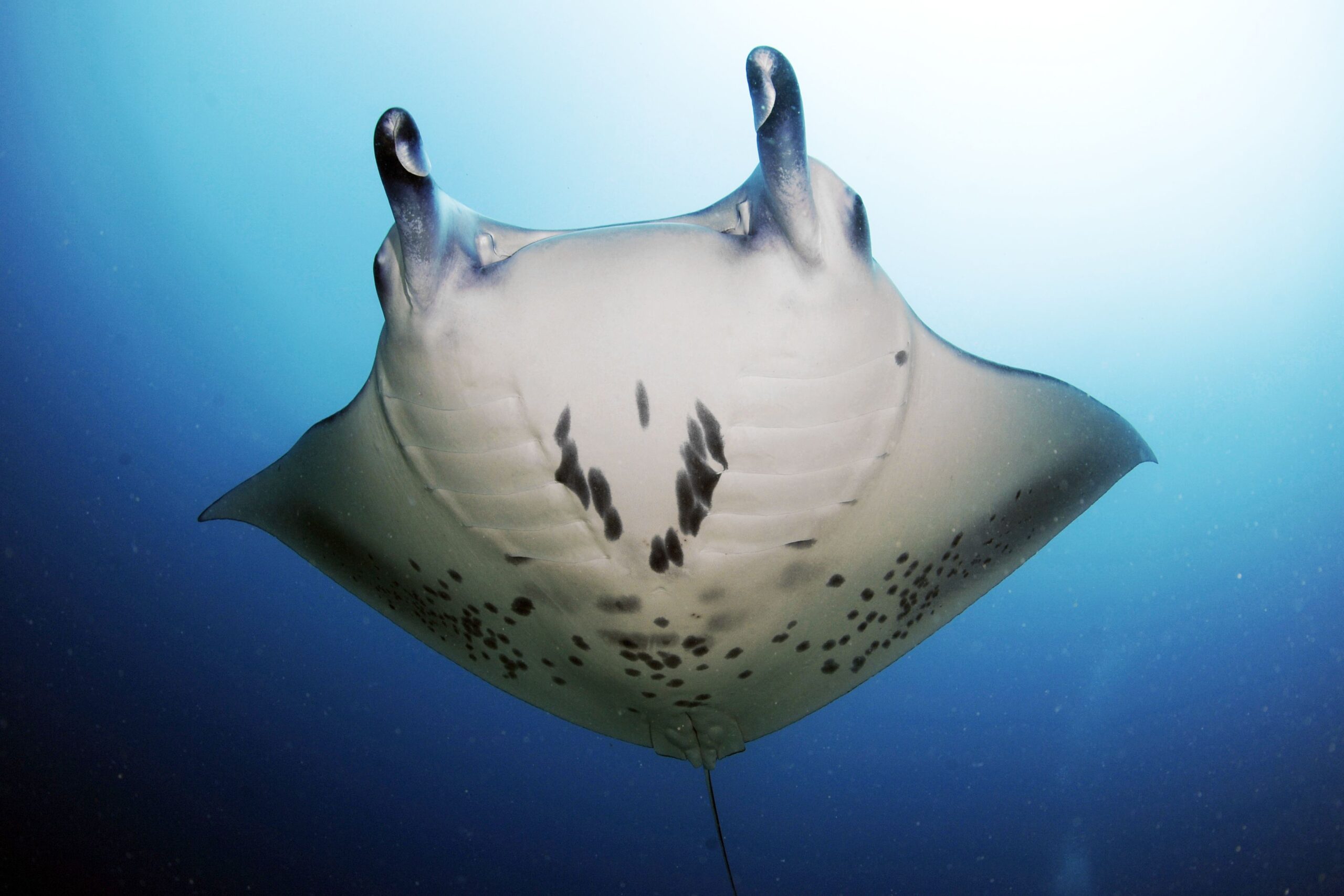
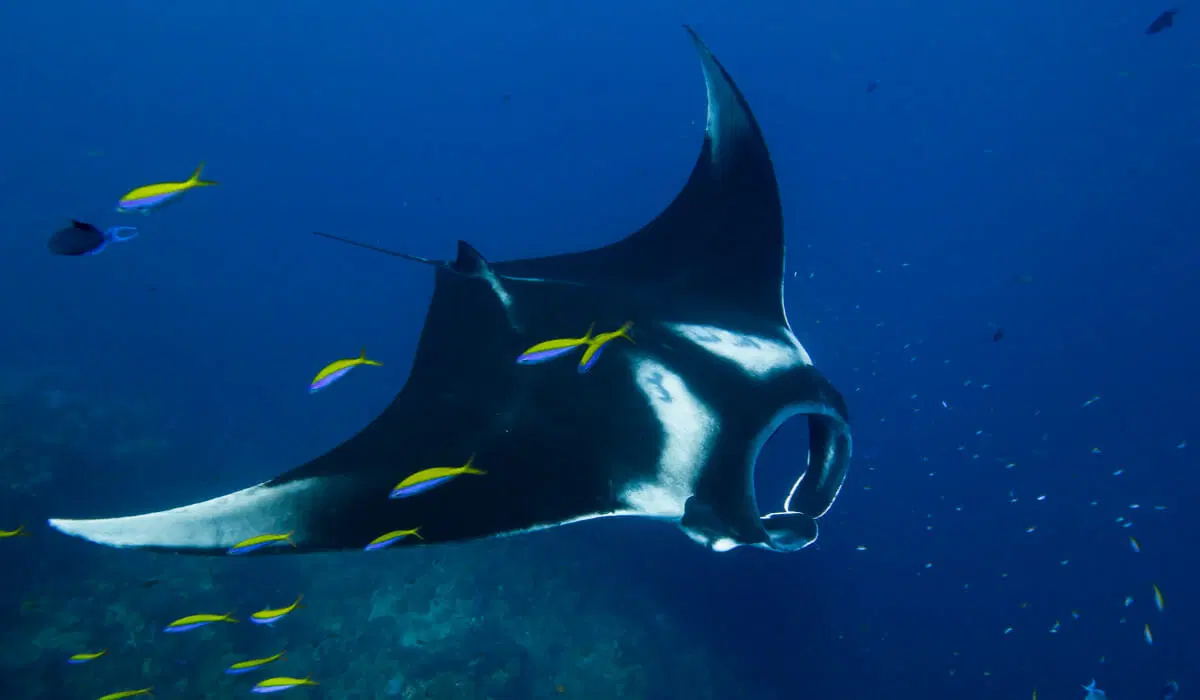
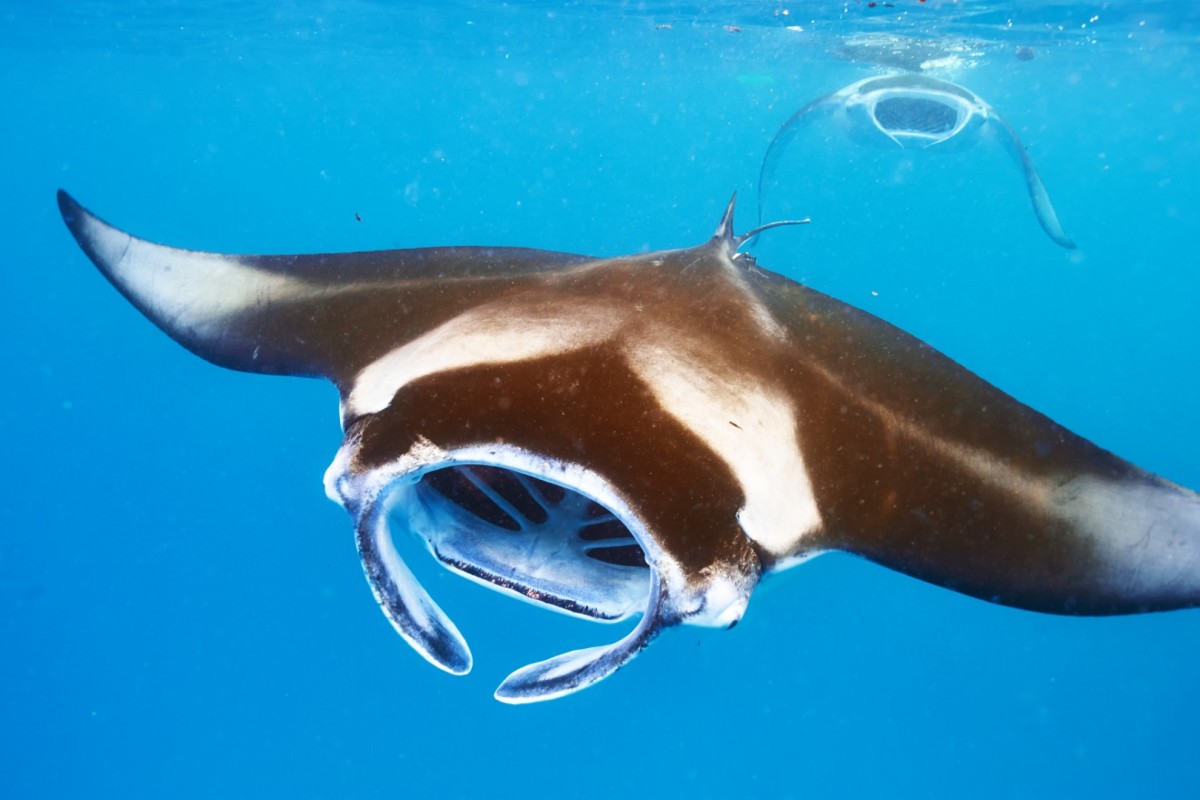
Manta Ray Watching in the Maldives is nothing short of magical. These gentle giants glide effortlessly through the crystal-clear waters of the Indian Ocean, offering visitors a rare and unforgettable encounter with marine wildlife. The Maldives, with its pristine reefs and nutrient-rich waters, is one of the best places on earth to witness manta rays in their natural habitat.
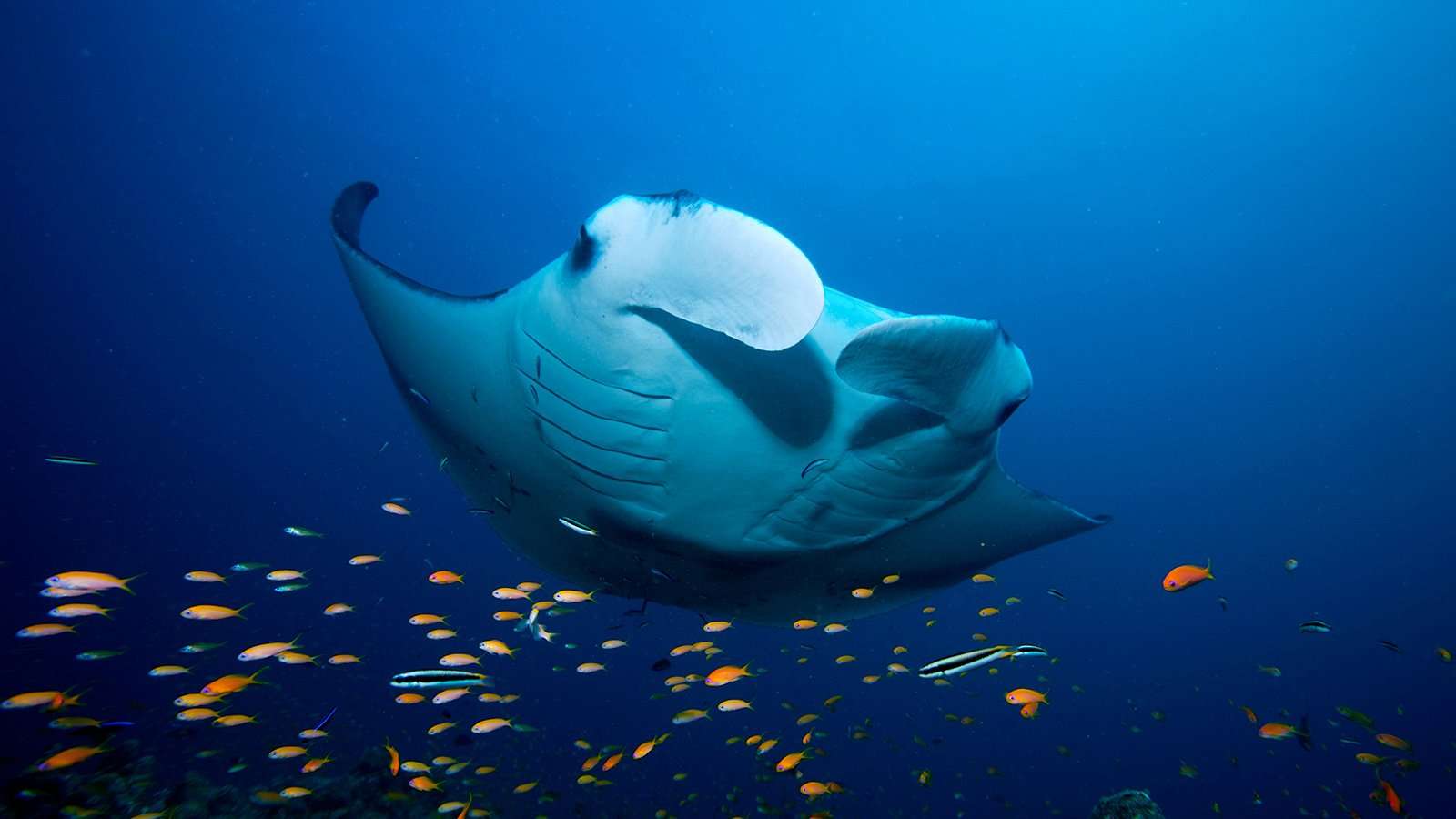
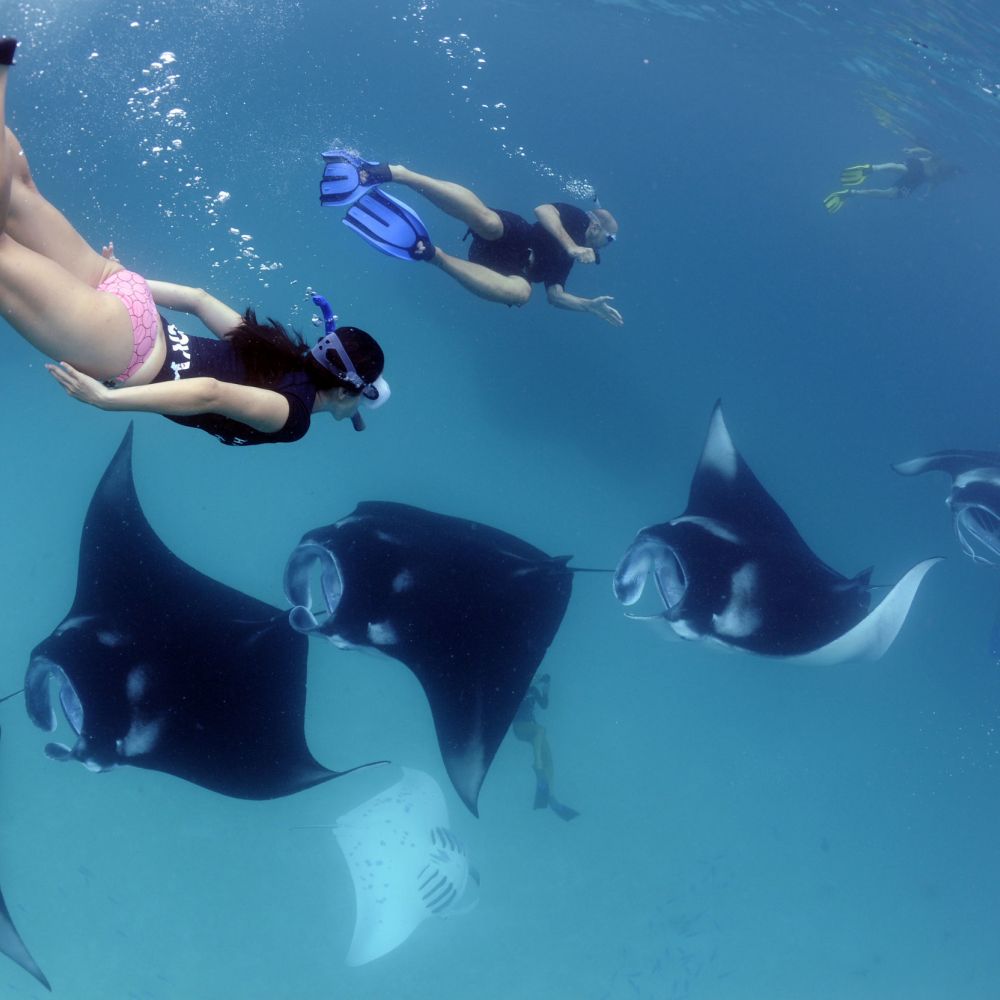
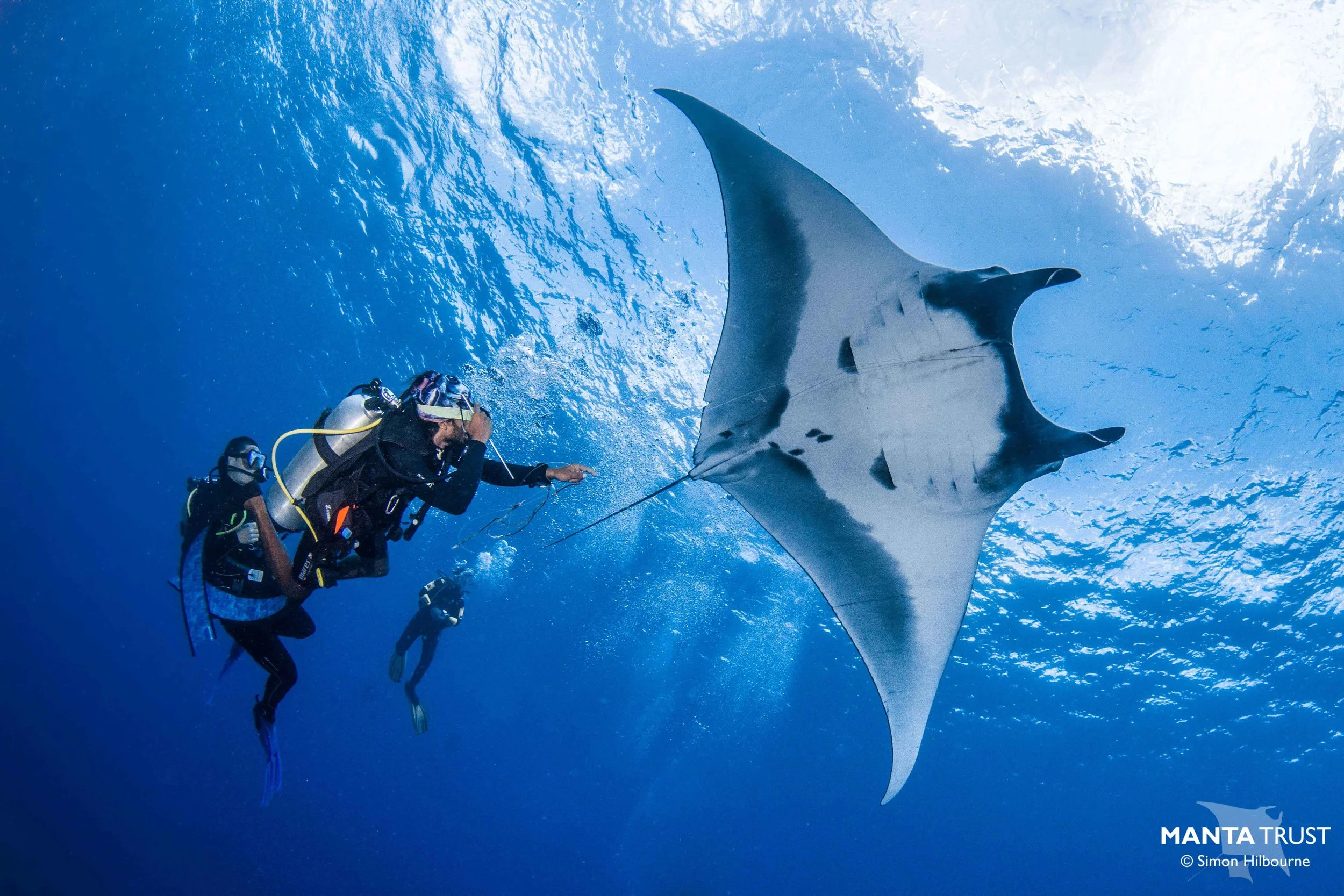
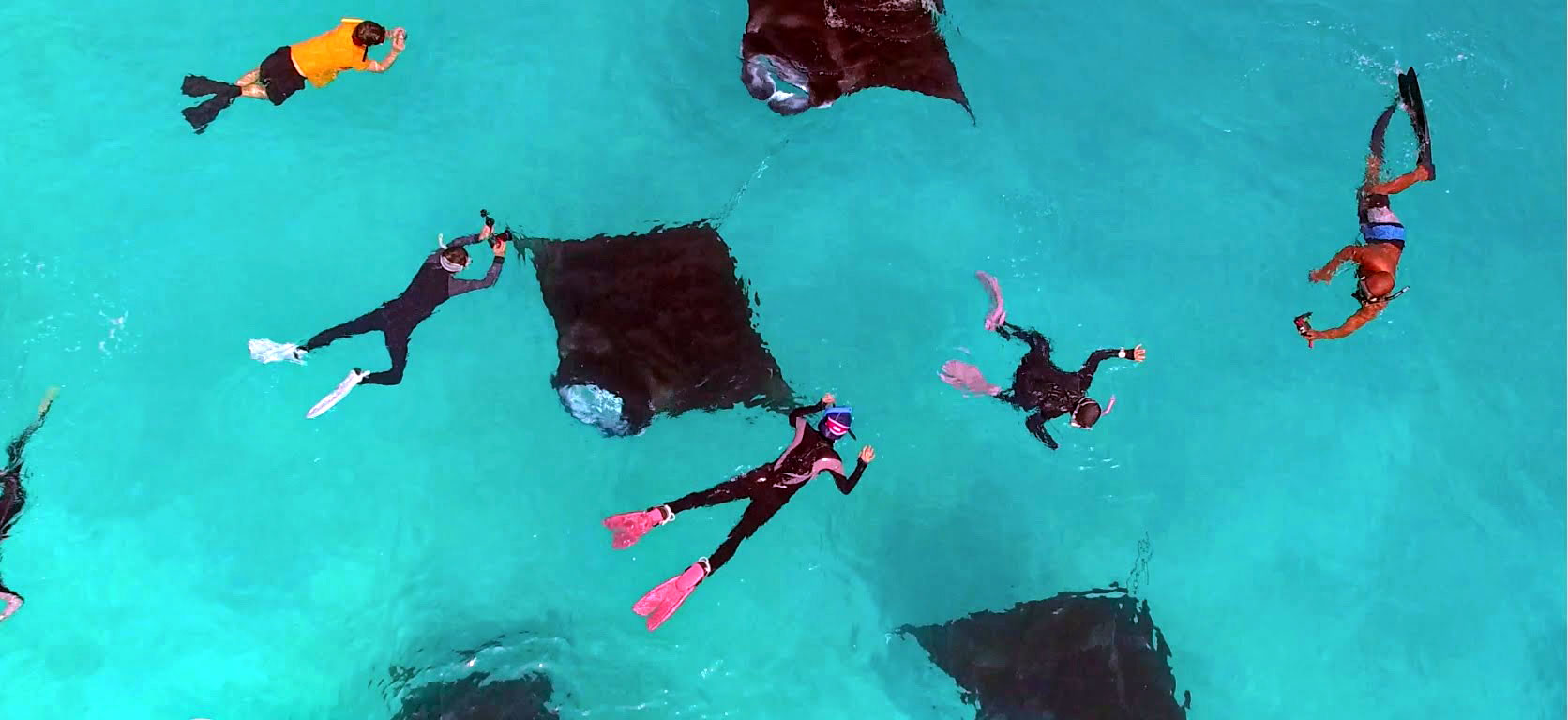
Visitors can expect to snorkel or dive alongside these graceful creatures, observing their elegant feeding dances, especially at the popular cleaning stations where mantas gather to have parasites removed. The thrill of spotting these giants amidst the vibrant coral reefs of the Maldives is a once-in-a-lifetime experience cherished by travelers and marine enthusiasts alike.
Baa Atoll
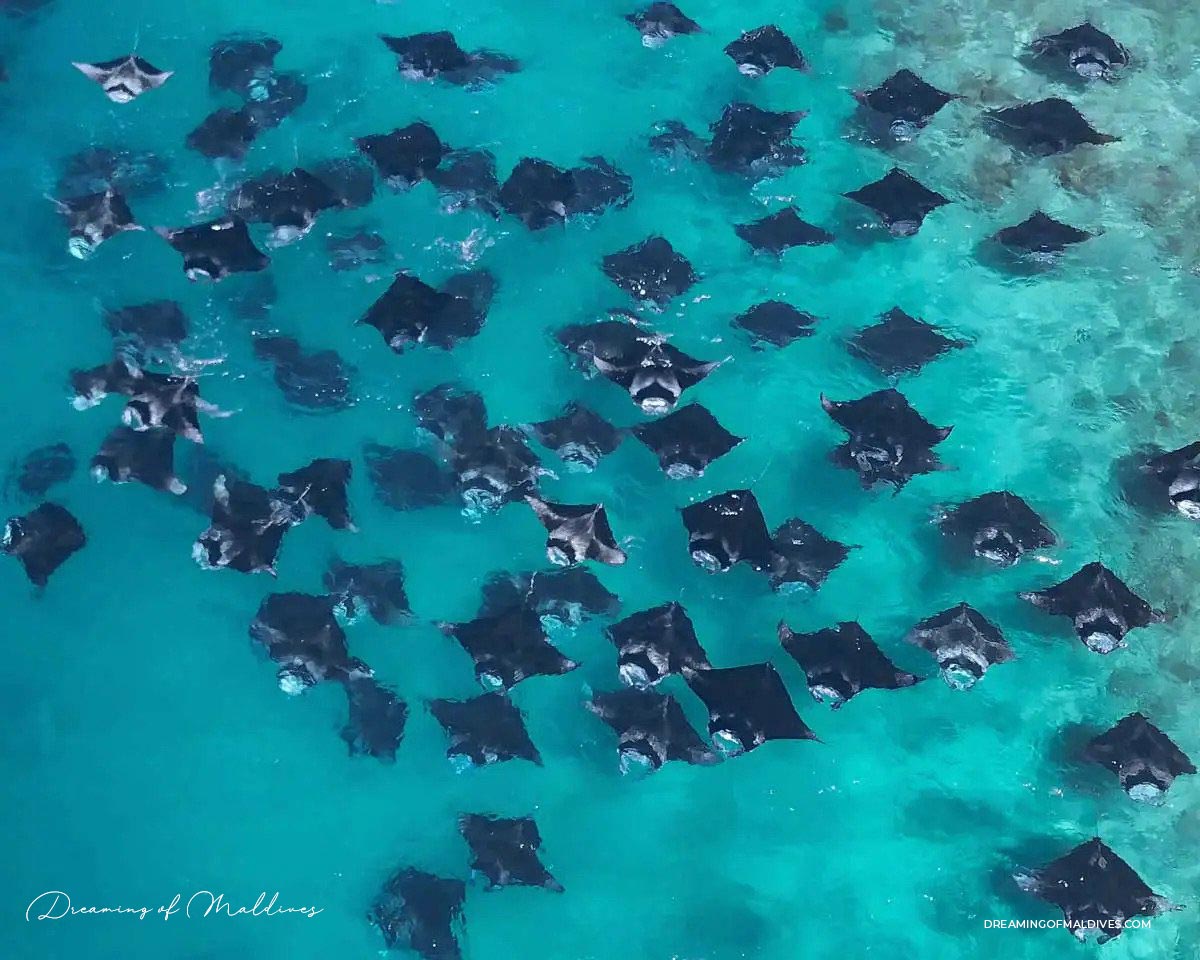
Home to the famous Hanifaru Bay, a UNESCO Biosphere Reserve, Baa Atoll is arguably the top manta hotspot in the Maldives. Between May and November, you can witness hundreds of mantas congregate in the bay to feed on plankton, sometimes alongside whale sharks.
Raa Atoll
Raa Atoll hosts year-round manta ray presence, with a peak season from August to November. Notable manta cleaning stations such as Sola Corner make it a favorite destination for divers and snorkelers eager to see multiple mantas up close.
Lhaviyani Atoll
This atoll is renowned for its protected marine parks and reliable manta sightings. Fushifaru Thila, a key manta cleaning station, offers snorkelers and divers the chance to observe mantas between September and March.
South Ari Atoll
Visitors can spot mantas here primarily from September to May, with the best viewing typically after February. Known for vibrant reef systems, South Ari is a favorite among adventure seekers.
Other Atolls
Manta rays are also seen in smaller numbers around other atolls like Noonu, Meemu, and Vaavu, particularly during peak seasons, making the Maldives a year-round destination for manta watching.
Manta ray sightings in the Maldives depend on the monsoon seasons:
From May to November (Southwest Monsoon), mantas are mostly found on the eastern sides of the atolls where nutrient-rich upwellings attract plankton.
From December to March (Northeast Monsoon), mantas move toward the western sides of the atolls.
Peak manta watching typically coincides with these monsoon-driven plankton blooms, ensuring excellent visibility and abundant marine life for enthusiasts.